Every summer the same photographs cycle through the same feeds: the queue at the Louvre, the crowds on the Charles Bridge, the gondola jam on the Grand Canal. Europe’s greatest hits are magnificent, but in high season they are also magnificent through a forest of selfie sticks, at prices that have absorbed the crowds’ logic. Meanwhile, an hour or two away by rail, entire cities of equal beauty operate at half the density — places where the old town is still a neighborhood, the restaurant still needs no reservation made in February, and the local morning routine happens whether or not anyone is watching.

This is a guide to ten such cities. The selection rules were strict: each is a genuine city break in its own right (three days minimum of things to do), each is meaningfully less crowded than its famous neighbor, and each is easy to reach — by direct flight or a simple rail connection. For each, we give the character, the essentials, and the honest “instead of” comparison. All official tourism links were checked at publication.

Table 1 — The ten, at a glance

City Country The Pitch Instead Of
Ljubljana Slovenia Car-free old town on an emerald river Venice’s crowds
Porto Portugal Cellars, tiles, and the Douro Lisbon’s boom prices
Kraków Poland The great square that tourism forgot to spoil Prague’s crush
Tallinn Estonia A medieval walled town with a startup soul Stockholm’s expense
Valencia Spain Paella’s hometown, beach attached Barcelona’s saturation
Bologna Italy Italy’s food capital under its porticoes Florence’s queues
Ghent Belgium Canals and a castle without the tour buses Bruges’ crowds
Graz Austria Renaissance courtyards and a design scene Vienna’s pace
Riga Latvia The world’s great Art Nouveau district Helsinki’s prices
Thessaloniki Greece Waterfront tavernas and layered history Athens’ heat and crowds

1.Ljubljana, Slovenia

Slovenia’s capital is the rare city that feels designed for contentment: a car-free center where café terraces line an emerald river, a castle watching from its hill, and dragon-topped bridges connecting streets built at human scale. The essential experiences cost little — the riverside market on a Saturday morning, the funicular to the castle at dusk, the cycle out to the marshes. Three hours away lies Lake Bled, but Ljubljana itself is the discovery: a capital you can cross on foot in twenty minutes and happily lose three days inside. The official Ljubljana tourism site keeps an excellent events calendar — the summer festival season turns the riverbanks into open-air venues.

2.Porto, Portugal

Porto has been “discovered” for a decade and still hasn’t been spoiled — the steep, tile-faced lanes of Ribeira remain a working neighborhood above the Douro, and across the river the port wine lodges of Vila Nova de Gaia still age their barrels in the Atlantic air. Come for the cellars and the famous riverfront, stay for the city’s texture: the art nouveau café, the São Bento station’s tiled hall, the francesinha sandwich that is less a meal than a dare. Porto’s official visitor portal and the national Visit Portugal site cover passes and seasonal events. Go in late spring: warm, bright, and weeks ahead of the summer wave.

3.Kraków, Poland

Kraków owns one of Europe’s great main squares — the vast, cloth-halled Rynek Główny — yet on a Tuesday morning it still belongs to pigeons and pensioners. The Wawel castle hill, the Kazimierz district’s reborn Jewish quarter of cafés and galleries, and a food scene where a memorable dinner costs what a forgettable one does elsewhere make it the strongest value city break on the continent. It works in every season: spring gardens, summer festivals, and a December Christmas market that is everything the famous ones were thirty years ago. Visit Kraków lists museum free-entry days — plan around them.

4.Tallinn, Estonia

Tallinn’s walled old town is medieval Europe preserved to an almost theatrical degree — towers, cobbles, merchant houses — yet the city around it is one of the most digital societies on earth, and the tension is the charm: fourteenth-century streets, twenty-first-century café culture. The Telliskivi creative district, ten minutes’ walk from the walls, supplies the contemporary half of the trip. Two hours by ferry from Helsinki, it also makes the classic Baltic pairing. The national Visit Estonia portal covers the old town, the islands beyond, and the honest truth about seasons: May and September are golden; midsummer is luminous and busy; winter is dark, cold, and quietly magical.

5.Valencia, Spain

Spain’s third city quietly offers the full Spanish city-break package — a cathedral quarter, a great market hall, a beach a tram ride away — plus one thing the others don’t: the futuristic City of Arts and Sciences rising from a drained riverbed now turned into nine kilometers of park. Paella was born in the lagoon fields outside town, and the lunchtime versions served here bear no resemblance to the evening tourist variants elsewhere. The official Spain tourism portal covers Valencia’s festivals — March’s Las Fallas, a city-wide festival of monumental bonfires, is one of Europe’s great spectacles and books out a year ahead.

6.Bologna, Italy

Florence has the Uffizi; Bologna has dinner. The Emilia-Romagna capital is the city Italians themselves name as the country’s food capital — the home of tagliatelle al ragù, tortellini in brodo, and the mortadella that imitators never approach — served in trattorias that feed locals first. Between meals, forty kilometers of UNESCO-listed porticoes shelter the wandering, medieval towers lean photogenically, and the university — the Western world’s oldest, founded 1088 — keeps the streets young. Bologna also sits on the main north–south rail spine, making it the easiest add-on in Italy: Florence is thirty-five minutes away, and you may find yourself commuting from Bologna.

7.Ghent, Belgium

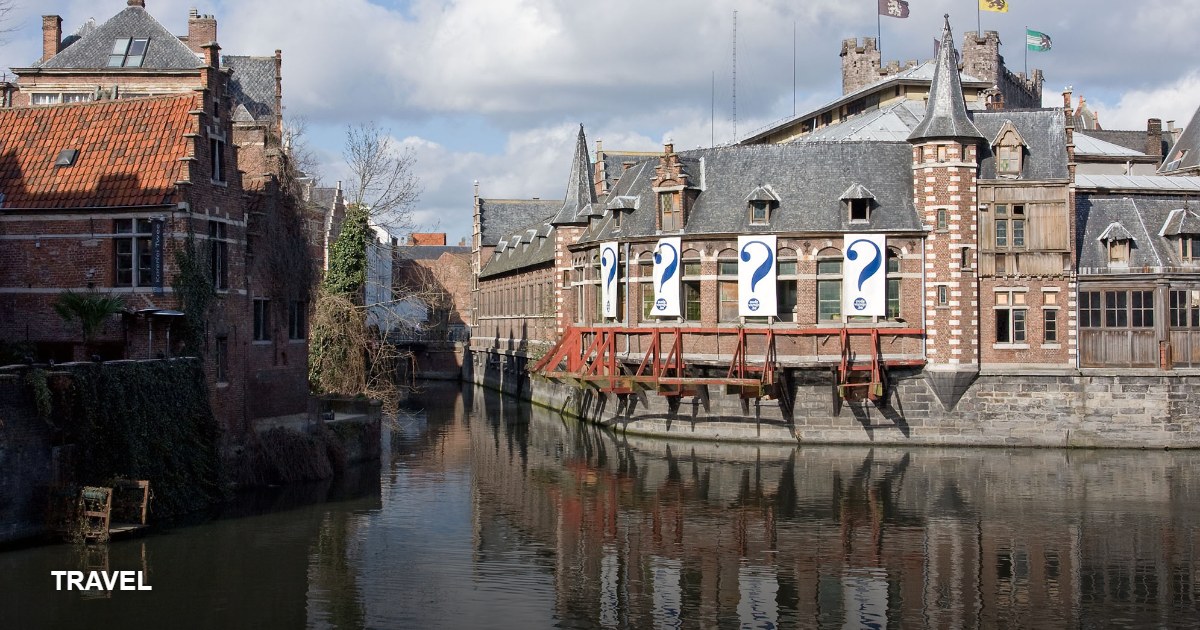
Everything people love about Bruges — canals, guild houses, a genuine castle in the center — exists in Ghent, attached to a living university city instead of a museum. The Gravensteen castle glowers over the water; the Ghent Altarpiece, one of the most important paintings in Western art, hangs in St Bavo’s Cathedral; and the evening ritual of picnicking along the Graslei quays is open to anyone with cheese and a sunset. Bruges is thirty minutes away by train — visit it for a morning, then come home to Ghent for the evening, when the day-trippers leave and the canal banks belong to the city again.

8.Graz, Austria

Austria’s second city is a Renaissance jewel with an art-school pulse: Italianate courtyards, a hilltop clock tower above red roofs, and the bulbous blue Kunsthaus — the “friendly alien” — landed among them as a declaration that this is no museum town. The farmers’ markets are among the best in the German-speaking world, Styria’s wine country starts at the city limits, and the café culture matches Vienna’s at two-thirds of the price and none of the queuing. Graz makes an ideal pairing with Vienna by rail, or a standalone long weekend for travelers who prefer their Austria unhurried.

9.Riga, Latvia

Riga holds the densest collection of Art Nouveau architecture on earth — entire streets of facades alive with faces, flowers, and mythological figures from the city’s early-1900s boom years — and beyond them a handsome old town, a vast central market in repurposed Zeppelin hangars, and the white-sand beach of Jūrmala thirty minutes away by suburban train. It remains one of the Eurozone’s most affordable capitals, and one of its least visited relative to what it offers. Summer brings near-endless daylight and terrace weather; the winter market months bring mulled wine and a hush that suits the old town’s silhouette.

10.Thessaloniki, Greece

Greece’s second city is the antidote to the ferry-queue version of the country: a waterfront promenade running past Roman ruins, Byzantine churches, and Ottoman relics in layers you can read like geology, all fueling into a food culture that Greeks themselves regard as the country’s best. The Ano Poli upper town offers sunset over the Thermaic Gulf; the Ladadika district supplies the evening; and the city’s famous bougatsa — custard or cheese in crisp phyllo — supplies the morning. Athens is worth its days; Thessaloniki is where Greece relaxes into itself.

11.How One of These Weekends Actually Looks

Abstract recommendations become real with a concrete shape. Here’s a proven three-night skeleton — built on Porto, but the structure transfers to any city on the list:

Table 2 — A three-night skeleton (Porto example)

Day Morning Afternoon Evening
Arrival day Check in, walk the Ribeira riverfront, get your bearings Dinner in a tasca in the lanes above the river; early night
Day two Bolhão market and the tiled São Bento station Booked anchor: port cellar tour across the river in Gaia Ribeira quays at dusk; fado house or wine bar
Day three Tram to Foz for the Atlantic walk Gardens of the Crystal Palace; francesinha lunch The restaurant you chose in advance — the day’s second anchor
Departure Last coffee in the art nouveau café; one final riverside hour

Notice what’s not in it: a checklist. One pre-booked anchor per full day, one neighborhood per half-day, and long margins for the detours that become the stories. This is the rhythm these cities were built for — and it’s precisely what the queue-based classics no longer permit.

12.Getting There (and Around) Without the Friction

All ten cities sit on direct budget-airline routes from most of Western Europe, but the more pleasant truth is that several are rail-journey destinations in themselves. Bologna, Graz, and Ghent lie on main lines where the train beats the plane door-to-door; Kraków and Porto connect comfortably to their national capitals. Within the cities, the pattern repeats: every center on this list is walkable end to end, and the day you’ll remember is the one you never opened a transit map.

Two practical notes apply everywhere. First, book the one anchor experience — the altarpiece slot in Ghent, the cellar tour in Porto, the Las Fallas trip in Valencia — the moment dates are fixed; these cities’ small scale means their signature experiences have limited capacity. Second, travel shoulder-season wherever possible: the tables above show each city’s sweet spot, and the shoulder months are where lower prices, kinder weather, and local-normal streets align.

13.Timing the Trip: A Seasonal Cheat Sheet

Table 3 — When each city shows its best side

City Sweet Spot Avoid / Note
Ljubljana May–June, September Riverside festivals make summer lovely but busier
Porto Late April–June August is hot and full; October can be wet
Kraków May, September, December (market) Deep winter is cold but atmospheric
Tallinn June (white nights), September November–March for the hardy and the romantic
Valencia April–June; March for Las Fallas Fallas books out a year ahead — plan early
Bologna April–June, September–October August: many family trattorias close for holiday
Ghent May–September; July festival week Winter weekends are quiet but cozy
Graz May–October (market season) Autumn is Styrian wine harvest — a bonus
Riga June–August (daylight), December (markets) January–February is for true winter travelers
Thessaloniki May–June, September–October Midsummer heat favors evenings out — adapt, don’t avoid

14.Three Habits That Make These Cities Work

Stay three nights minimum. The famous cities can be consumed as checklists; these cities are consumed by settling in — the morning market, the evening square, the neighborhood you adopt. Three nights is the threshold where a city stops being an itinerary and starts being a temporary home.

Anchor each day to one reservation, not five sights. The same two-anchor method from our road trip planning guide applies on foot: one booked experience per day — the altarpiece slot, the cellar tour, the restaurant you chose in advance — with the hours around it left to wander. Wandering is the activity these cities reward most.

Learn ten words. In each of these cities, English is widely spoken — and a greeting, a please, and a thank-you in the local language still change the temperature of every interaction. It is the highest-return pre-trip investment there is.

15.Frequently Asked Questions

Are these cities actually cheaper than the famous ones?

Meaningfully, in most cases. Kraków, Riga, and Thessaloniki offer full-city experiences at prices the famous capitals abandoned years ago; Porto, Valencia, and Graz sit comfortably below Lisbon, Barcelona, and Vienna for comparable quality. The bigger saving, though, is friction: tables without month-long waits, sights without timed slots bought in spring.

Can I pair these cities with the classics?

That’s exactly what they’re for. Bologna pairs with Florence or Venice by half-hour trains; Ghent with Bruges and Brussels; Tallinn with Helsinki by ferry; Graz with Vienna. A “one classic, one understudy” week is arguably the best structure in European travel.

Which is best for a first trip to Europe?

Kraków or Porto. Both are compact, walkable, affordable, and forgiving of first-timer mistakes, with enough depth for a full long weekend and infrastructure that makes everything easy.

Which is best for food-focused travelers?

Bologna, with Thessaloniki and Valencia close behind — three cities where eating is the cultural program, not the break between sights.

How many cities should I combine on one trip?

Two, maybe three — and resist the temptation to stack more. Every city on this list rewards slow travel: a morning market, an afternoon museum, an evening square. The classic first-timer error is treating Europe like a checklist, changing hotels every night and seeing everything through train windows. A strong itinerary pairs one larger, flight-friendly city (Porto, Valencia, Kraków) with one smaller base within a two-hour rail ride, and stays three nights minimum in each.

When is the best season for these cities specifically?

May–June and September–October are the sweet spot nearly everywhere on the list: warm enough for café terraces, thin enough crowds that you can actually see the sights. July and August bring peak prices and peak queues everywhere except the Baltic cities (Tallinn and Riga), whose short, bright summers are worth the trade. Winter rewards the south — Valencia and Thessaloniki stay mild and lively while northern Europe hibernates.

Do I need to speak the language?

No, but learn ten words. English is widely spoken in tourism-facing jobs across every city listed, especially among younger people. That said, greeting shopkeepers in Slovenian, Portuguese, or Polish — please, thank you, hello, excuse me — visibly changes how you’re treated. Locals in smaller, less-touristed cities notice the effort precisely because they don’t expect it, and it remains the cheapest upgrade to any trip.

How do I get between the airport and the center cheaply?

In nearly every city on this list, the answer is the airport bus or the metro, not a taxi. Ljubljana’s shuttle, Porto’s metro line E, Kraków’s airport train, and Valencia’s metro all reach the center for a few euros in under forty minutes. The taxi is worth it only late at night or with heavy luggage — and even then, official ranks and ride-hail apps beat curbside offers every time.

Sources & Further Reading

Official visitor information: Visit Ljubljana, Porto.travel and Visit Portugal, Visit Kraków, Visit Estonia, and Spain.info. All links verified live at publication. Forgetting something on trips? Watch this section for our upcoming carry-on packing method.

The famous cities will keep — they’ll be famous next decade too. The understudies reward the traveler who arrives early: the same beauty, the same depth, and the one luxury the classics can no longer sell at any price — room to breathe.