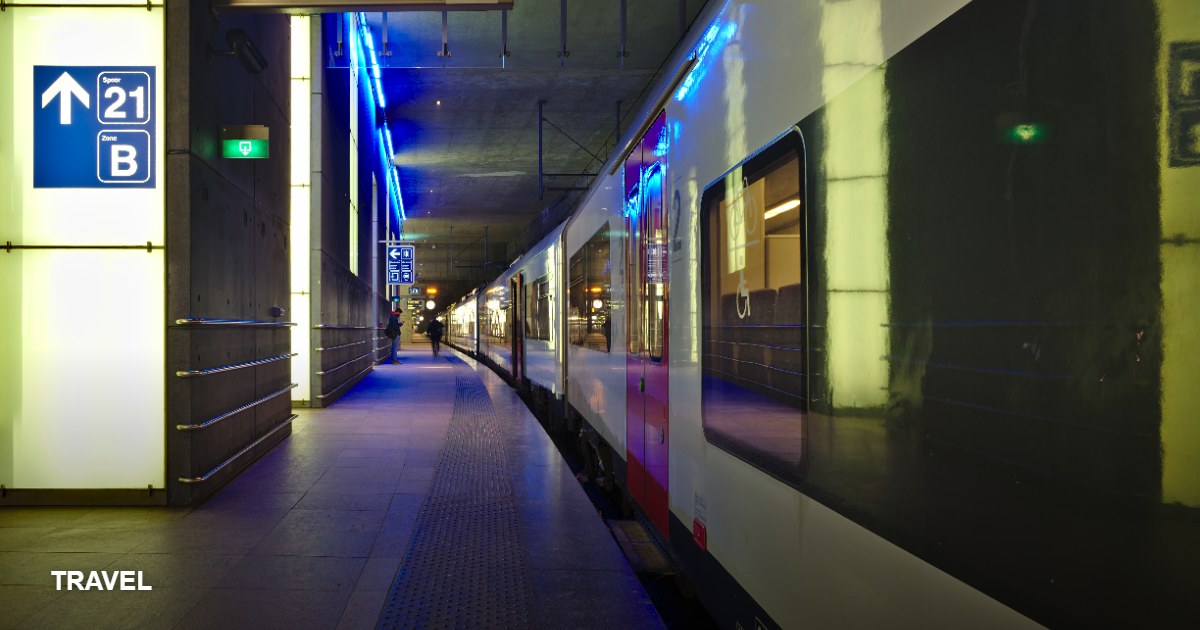
Your first European rail trip usually goes wrong before you reach the platform—not because the trains are difficult, but because “Europe by train” sounds like one system. It is dozens of operators, ticket rules, and station habits sharing the same map. The good news: you only need to answer five questions for each leg.
- Who operates this train?
- Is the ticket tied to one departure?
- Is a seat reservation required?
- Does the station have security or border controls?
- What happens if the first train delays the connection?
Book with the operator when you can
There is no universal shop that always sells every European train at the lowest price. Start with the national or operating company: SNCF Connect in France, DB in Germany, Trenitalia or Italo in Italy, ÖBB in Austria, Renfe in Spain, and so on. An aggregator can be easier for planning, but compare the final price, exchange rules, and support before paying.
For a cross-border trip, identify the operator shown beside the train number. The company running the train—not the logo on the search app—is the useful source for disruptions, baggage rules, and boarding instructions.
Fast trains reward early booking; regional trains reward flexibility
Many high-speed and long-distance tickets become more expensive as the cheap fare buckets sell out. Those cheaper fares may also be non-refundable or expensive to change. Regional tickets are often more flexible and may not reserve a specific seat, but do not treat that as a continent-wide rule. Check the conditions printed next to the fare before purchase.
Seat reservation and train ticket are not always the same thing
A normal point-to-point ticket may already include an assigned seat. A Eurail or Interrail pass covers travel on participating services, but many high-speed and night trains require a separate paid reservation. Most regional trains do not. In the Rail Planner app, look for “reservation required” on the exact departure—not just the route.
Do not use one arrival rule for every international train
A Paris–Brussels train and a Paris–London Eurostar are both international, but the boarding process is not the same. Services to and from London involve security and border controls, with arrival and gate-closing times shown on the ticket. Many routes within continental Europe have ordinary platform boarding. Follow the operator’s instruction for your station and departure; a blanket “arrive 20 minutes early” rule can make you miss a train.
Build connections that can survive reality
A ten-minute connection may be valid in the timetable and still be miserable with luggage, children, or an unfamiliar station. Check whether you must change platforms, levels, or stations. For an important final connection, choose a longer buffer and know whether your tickets protect you if the inbound train is late.
- One through-ticket is usually easier to resolve after a delay than unrelated tickets bought separately.
- Save the train number and operator, not only the departure time.
- Screenshot the ticket or place it in the operator’s app before leaving reliable internet.
- Read the destination station carefully: large cities often have several.
A worked example: Paris to Florence
Do not search only “Paris to Florence” and accept the first all-day result. Break it into logical operating legs—Paris to Milan, then Milan to Florence—and inspect each operator’s conditions. Compare that with an overnight option if one runs on your date. Check the arrival station, transfer time in Milan, reservation requirement, and whether the two legs sit on one protected booking. The exact best answer changes by date; the checklist does not.
Paper tickets, validation, and platform changes
Some local paper tickets require validation before boarding; many digital and train-specific tickets do not. Look for the instruction on the ticket or ask station staff instead of validating everything blindly. Platform numbers can change, so use the live departure board. A platform printed days earlier is a hint, not a promise.
Night trains: choose the bed, not just the departure
A seat, couchette, and sleeper cabin are different products. Before comparing a night train with a hotel, check privacy, bedding, shower access, arrival time, and whether the fare is per berth or per compartment. Popular sleepers have limited capacity, so book once the operator opens sales rather than relying on a universal “three months ahead” rule.
The five-minute check before you leave
- Open the operator’s app and check disruption notices.
- Confirm station, platform, train number, and destination shown on the departure board.
- Make the ticket available offline and carry identification required by the operator or border authorities.
- Bring water and a small snack; catering is not guaranteed.
- Board the correct coach before arranging luggage.
European rail becomes easy after you stop treating it as one giant metro. Plan one leg at a time, read the fare conditions, and leave enough margin for the part you have not done before. For destinations, see our guide to European cities beyond the standard capital circuit; for a lighter transfer, use our carry-on packing method.
When a connection is legally protected
Do not assume that every itinerary shown in one search result is protected as one journey. Under current EU rail-passenger rules, a through-ticket matters: if a missed connection on a through-ticket is expected to delay arrival by at least 60 minutes, passengers generally have choices including reimbursement or continuation and re-routing under comparable conditions. Separate tickets do not automatically receive the same protection, although an operator agreement or national rule may help. Confirm the ticket type before paying and check the operating companies’ current conditions for the exact route.
Official references

Charlotte Morgan is the Travel Editor at The Adlroom Journal, covering independent trip planning — from European rail routes to packing light for a week away.