Let us retire one travel cliché immediately: Porto, Kraków, Tallinn, Bologna, and Valencia are not secret cities waiting to be discovered. They receive plenty of visitors. What they offer is something more useful—a strong trip beyond the usual Paris–Rome–Amsterdam loop, often with neighborhoods where daily life is still visible once you step away from the headline square.
How this list is meant to be used
“Underrated” here does not mean empty or always cheap. It means the city is often skipped on a first European itinerary despite being easy to reach and worth at least two nights. Prices and crowds change by season, festival, and booking date, so compare current accommodation and transport before choosing.
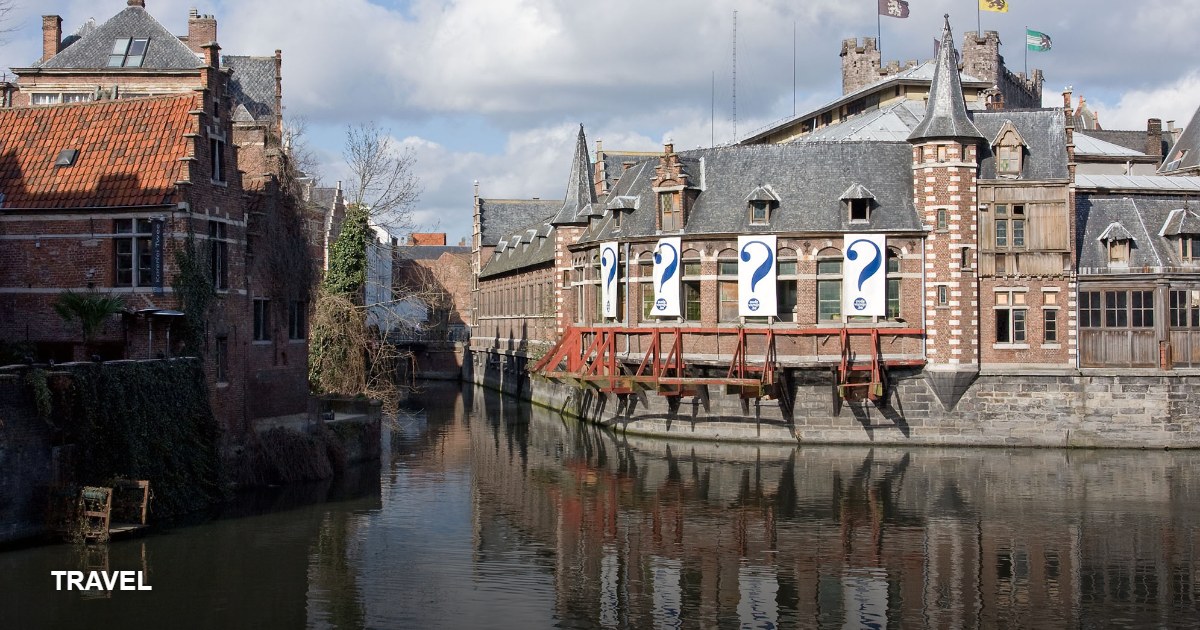
Ghent, Belgium: canals without turning the city into a museum
Ghent’s medieval center is beautiful, but its university and ordinary neighborhoods keep the city moving after day-trippers leave. Stay overnight rather than treating it as a photograph between Brussels and Bruges. Two nights give you time for the center, the Design Museum or STAM, and an evening along the water.
Porto, Portugal: rewarding, not undiscovered
Ribeira can be crowded and steep streets make “compact” feel different with luggage. Cross to Vila Nova de Gaia for port lodges, then spend time uphill in Cedofeita or Bonfim. Porto works well for three nights; add more only if you are using it as a base for the Douro or northern Portugal.
Ljubljana, Slovenia: a gentle base with an easy center
The pedestrian center is small enough to learn in an afternoon. The value is pace: markets in the morning, the castle or riverside later, and simple onward travel to other parts of Slovenia. Two nights suit the city itself; do not count a day trip to Lake Bled as time in Ljubljana.
Leipzig, Germany: music and reused industrial space
Bach’s connection is real, but Leipzig is not only heritage. Former industrial sites and a large student population give it a different rhythm from Berlin or Dresden. Check concert and museum schedules before deciding which days to visit.
Bologna, Italy: come hungry, stay for the streets
Bologna is a major transport junction, not an obscure detour. Its porticoes make long walks possible in heat or rain, and the market streets reward early mornings. Stay at least two nights if food is the point; a rushed lunch between trains misses the city.
Kraków, Poland: history requires more than an old-town stroll
Kraków’s center is heavily visited. Its value lies in depth: Kazimierz, contemporary museums, and difficult twentieth-century history alongside the medieval core. Treat Auschwitz-Birkenau as a separate, serious visit, not another attraction to squeeze between lunch and a bar crawl.
Valencia, Spain: beach, old city, and modern architecture
Valencia is large enough that location changes the trip. The historic center, City of Arts and Sciences, and beach are not one compact cluster. Three nights let you see all three without turning the visit into transport logistics. Paella deserves advance thought: many traditional restaurants prepare it for lunch and for more than one person.
Tallinn, Estonia: look beyond the medieval walls
The old town is compact and popular with cruise visitors. Stay into the evening, then walk beyond it to Kalamaja or Telliskivi. Tallinn pairs easily with Helsinki by ferry, but weather and sailing times deserve checking on the travel date.
Coimbra, Portugal: a city built on a hill and a university
Coimbra suits travelers who enjoy architecture, academic history, and a slower evening. The climbs are real; choose accommodation with the terrain in mind. Verify university-library entry times rather than assuming the main sight works like an open campus.
Graz, Austria: Renaissance streets with a student pulse
Graz offers a UNESCO-listed historic center without pretending to be Vienna in miniature. The Schlossberg gives the city its orientation; markets and university life give it texture. Two nights work well on a rail route through Austria or Slovenia.
Choose with four questions
- Can you reach it without sacrificing a full day?
- Does the season support what you want to do?
- Can you afford to stay centrally enough to enjoy evenings?
- Would two nights here beat one rushed night in a famous capital?
For booking and reservation rules, use our rewritten European train guide. The cities are the enjoyable part; getting between them should not be the stressful one.

Charlotte Morgan is the Travel Editor at The Adlroom Journal, covering independent trip planning — from European rail routes to packing light for a week away.