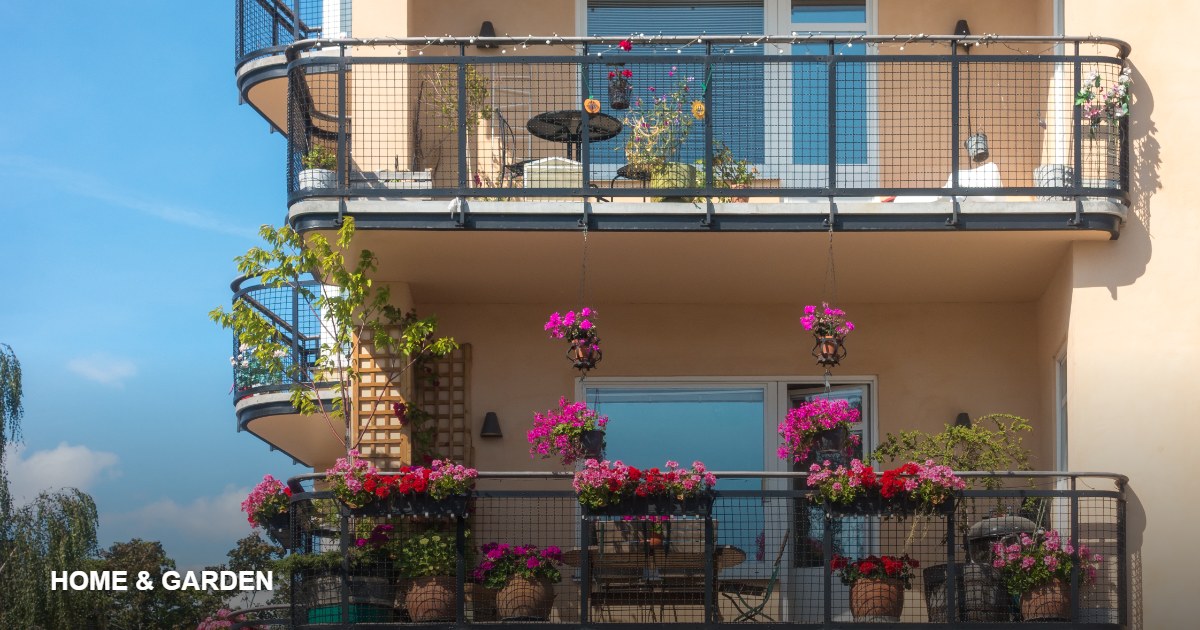
There is a persistent myth that growing your own food requires a garden — a real one, with soil underfoot and room for rows. Millions of apartment dwellers believe it, and so their balconies sit empty except for a drying rack and a forgotten chair. Meanwhile, on a thousand other balconies across the same cities, tomatoes are reddening in grow bags, lettuce is filling window boxes, and peppers are ripening against warm concrete walls. The difference between the two groups is not skill, space, or money. It is simply knowing that a balcony is not a consolation prize. Done right, it is a genuinely productive garden with real advantages over the traditional kind.

Containers warm faster in spring than garden soil. There are no weeds to speak of, no slugs migrating in from the lawn, and no digging. Every variable — soil quality, moisture, sun exposure, feeding — is under your direct control, which is why experienced gardeners often say container growing is easier to get right than growing in the ground. And a balcony puts your garden literally outside your kitchen door, which means you will actually use it. The herb garden twenty meters away gets forgotten; the one beside the coffee machine does not.

This guide is the complete beginner’s system for a balcony container garden: how to read your balcony’s conditions, which crops genuinely earn their space, the container size rules that decide success or failure, and the watering rhythm that keeps everything alive through a heatwave. It draws on guidance from the Royal Horticultural Society and established growing references, all linked so you can verify the sources yourself. If you haven’t yet read our companion piece on growing herbs on a windowsill, the two guides are designed to work together — many readers start on the sill and graduate to the balcony.

1.Why Balconies Are Better Gardens Than You Think

Consider what a balcony actually offers. Elevation means escape from most ground-dwelling pests: slugs, snails, and cutworms rarely make the climb. Concrete and brick store heat during the day and release it at night, creating a microclimate noticeably warmer than the surrounding garden — a free season extender that can add weeks to both ends of your growing year. Walls reflect light back onto plants from angles open ground never gets. And containers themselves solve the most common garden problem: bad soil. Whatever is under your building — clay, rubble, builder’s fill — is irrelevant. Your soil arrives in a bag, perfect on day one.

“A balcony is not a consolation prize. Done right, it is a genuinely productive garden with real advantages over the traditional kind.”
The Adlroom Home Desk

The limits are real but manageable: restricted root space, faster drying, wind exposure, and weight. Each has an established engineering solution, and none requires expertise — just the right container sizes, the right soil, and the honest crop selection this guide provides.

2.Know Your Balcony: Sun, Wind, and Weight

Before buying a single seed, spend one weekend observing your balcony. Three measurements decide everything that follows.

Sun hours. Count the hours of direct sun your balcony floor receives on a clear day — not “bright light,” but actual sun on the surface. This single number determines your crop list. Six hours or more opens up the full menu of fruiting crops: tomatoes, peppers, chilies, cucumbers, strawberries. Four to five hours suits most herbs, bush beans, and peas. Three to four hours of sun (or bright all-day shade) still supports a worthwhile garden of leafy greens — lettuce, spinach, chard, rocket — plus mint and parsley. The Royal Horticultural Society’s guide to growing in containers confirms this sun-based division of crops, and it is the most reliable planning rule in container gardening.

Wind. Balconies above the third floor are wind tunnels. Wind tears leaves, snaps stems, topples pots, and — most sneakily — dries soil twice as fast as still air. Test yours: if papers blow off the table, you need the wind strategies in section 6 before you need plants.

Weight. Wet soil is heavy — roughly 1.5 to 2 kilograms per liter, and a single large container can hold 40 liters. Balconies are engineered for normal occupancy loads, and a dozen saturated pots is usually well within limits, but common sense applies: spread weight near walls rather than cantilevering it at the outer edge, prefer several medium containers over one enormous trough, and check your building’s rules before installing anything that hangs over railings. When in doubt, a quick question to your property manager costs nothing.

3.The Best Crops for Balcony Containers, Ranked

Crop selection is where balcony gardening is won or lost. Choose plants bred and suited for pots and the whole enterprise becomes easy; choose sprawling space-hogs and no amount of care will save the season. The table below ranks the proven performers by the return they deliver per unit of balcony space — the honest metric that matters when space is currency.

Table 1 — The balcony dozen: minimum sun, pot size, and difficulty

Crop Min. Sun Min. Pot Size Difficulty Why It’s Worth the Space
Cut-and-come-again lettuce 3–4 hrs 20 cm deep box Very easy Harvests for months from one sowing; shop greens can’t compare
Rocket (arugula) 3–4 hrs 15 cm deep Very easy Ready in 3–4 weeks; expensive to buy, near-free to grow
Herbs (see our herb guide) 4–6 hrs 15–20 cm pots Very easy Highest value per square centimeter of anything you can grow
Chard & spinach 3–4 hrs 20 cm deep Easy Cut outer leaves, center regrows; chard survives light frost
Dwarf bush beans 5–6 hrs 25 cm deep Easy No staking needed; heavy yields from a small footprint
Strawberries 6 hrs Hanging basket or 25 cm pot Easy Homegrown flavor is incomparable; plants crop for 3–4 years
Chili peppers 6 hrs 20–25 cm pot Easy-moderate Compact, decorative, and astonishingly productive
Bush (determinate) tomatoes 6 hrs 30–40 cm pot Moderate The gateway crop; choose patio varieties bred for pots
Peas (dwarf types) 5–6 hrs 25 cm deep trough Moderate Sweet off the vine; needs a small trellis
Cucumbers (patio types) 6 hrs 30 cm pot + trellis Moderate Vertical growing turns one pot into a wall of cucumbers
Spring onions & radishes 4–5 hrs 15 cm deep Very easy Fastest payoff in gardening — radishes in under a month
Dwarf courgette (zucchini) 6 hrs 40 cm pot Moderate One plant feeds two people weekly through summer

Two crops deserve special commentary. Tomatoes are the reason most people start balcony gardening, and the reason many quietly quit: choose the wrong type and you get a two-meter jungle tied to a broom handle. The fix is simple — grow bush (determinate) or patio-bred varieties, which stop growing at a manageable size and crop heavily without pruning. The Old Farmer’s Almanac tomato growing guide explains the bush-versus-vine distinction in detail; read it before buying seeds, not after.

And lettuce — unglamorous, overlooked lettuce — is statistically the best first crop a balcony gardener can choose. It tolerates partial sun, grows in shallow soil, germinates in days, forgives watering mistakes, and delivers harvestable leaves within a month. Success breeds confidence; lettuce manufactures success.

The First-Season Shortlist

If you plant nothing else in year one: a window box of cut-and-come-again lettuce, one pot of bush tomatoes, one chili plant, and two or three herb pots. Four containers, total cost under forty dollars, and a realistic chance of salads from June through September.

4.Containers: The Size Rules That Decide Everything

Beginners shop for pots by appearance; experienced growers shop by volume. Root room is the single biggest determinant of container success, because soil volume governs both nutrient supply and — critically — water buffering. A small pot on a sunny balcony can go from moist to bone-dry in four hours; a properly sized one buys you a day or two of forgiveness.

Table 2 — Container size rules of thumb (per plant)

Crop Type Minimum Depth Minimum Volume Notes
Leafy greens, radishes, spring onions 15–20 cm 3–5 L Shallow roots; wide beats deep — use window boxes
Herbs (most) 15–20 cm 4–6 L One herb per pot; mint always alone
Bush beans, peas, strawberries 20–25 cm 6–10 L Troughs fit 3–4 plants in a row
Chilies, small peppers 25 cm 8–12 L Dark pots warm roots and speed growth
Bush tomatoes 30 cm 15–20 L Do not skimp — small pots mean daily watering and split fruit
Patio cucumbers, dwarf courgette 30–40 cm 20–30 L Big feeders and drinkers; the bigger the pot, the easier your life

Material matters less than size, but each has a personality. Plastic is light, cheap, and holds moisture — the practical default. Terracotta breathes and looks beautiful but dries fast and adds serious weight; on a balcony, reserve it for drought-loving herbs like rosemary and thyme. Fabric grow bags offer the healthiest roots of any container (air-pruning prevents root circling) at almost no weight, at the cost of frequent watering. Whatever you choose, drainage holes are non-negotiable — exactly as in indoor growing, a pot that cannot drain is a pot that will eventually kill its tenant. The Almanac’s container gardening guide covers pot selection with the same emphasis: volume first, drainage always.

One more container trick earns its place on every balcony: saucers and self-watering inserts. A deep saucer under each pot acts as a reservoir during heatwaves, and purpose-built self-watering containers — a soil chamber above a water tank, connected by a wick — can stretch the interval between waterings from one day to three. For anyone who travels on summer weekends, they are the difference between a garden and a funeral.

5.Soil, Watering, and Feeding on a Balcony

Fill containers with quality potting mix, never garden soil — garden soil compacts in pots, drains badly, and imports weed seeds and pests to your fifth-floor sanctuary. A peat-free multi-purpose compost lightened with about one-fifth perlite suits almost everything on the crop list above. Potting mix is largely inert the following year; refresh the top third each spring, or replace it entirely every second year.

Watering is the daily discipline of container gardening, because pots dry out far faster than ground soil. In spring, checking every two days may suffice; in a July heatwave, sun-facing pots may need water morning and evening. The finger test from our herb guide applies unchanged: water when the soil is dry a knuckle deep, and water thoroughly — until it runs from the drainage holes — rather than giving daily sips that leave roots shallow and thirsty. Water at the soil line in the morning where possible; evening watering works too, but wet leaves overnight invite mildew on cucumbers and tomatoes.

The Heatwave Protocol

When temperatures pass 30°C (86°F), container watering doubles. Move portable pots into the afternoon shade of the building, group pots together so they shade each other’s sides, mulch every surface with a centimeter of compost or even cardboard, and fill every saucer. A balcony garden can survive a week of neglect in May; in August, two days can be fatal.

Feeding containers is more necessary than feeding garden beds — frequent watering flushes nutrients out through the drainage holes — but still modest. Leafy crops (lettuce, chard, herbs) need little beyond what’s in fresh potting mix. Fruiting crops (tomatoes, peppers, cucumbers, courgettes) are the exception: once flowering begins, a weekly half-strength liquid tomato feed keeps production going. More is not better; overfed plants grow lush leaves and stingy fruit, the same leanness principle that governs herb flavor indoors.

6.Wind, Heat, and the Balcony Microclimate

High-rise balconies live by different weather than the street below. Wind accelerates with height, concrete radiates stored heat, and walls create pockets of still warmth. Learning your balcony’s microclimate is the advanced move that separates a decent container garden from a great one.

For wind, the solutions are structural: a lattice or reed screen on the windward railing breaks gusts without creating the turbulence that solid panels cause; heavy, low pots survive where tall narrow ones topple; and climbing crops get tied to trellis at every 20 centimeters of growth. Clustering matters more than most beginners realize — a tight group of pots creates its own calm, humid pocket of air, measurably kinder to plants than isolated containers standing in the full blast.

Heat is mostly a gift — tomatoes and chilies adore a warm wall — with one exception: dark pots in full western sun can cook roots on the hottest afternoons. The remedies are simple: group pots, shade pot sides (the plant can take the sun; the root ball shouldn’t), or slip dark containers inside lighter cachepots for a cooling air gap.

7.The Balcony Year: A Working Calendar

Table 3 — Season-by-season on the balcony (temperate Northern Hemisphere)

Season Jobs What’s Cropping
Early spring Refresh potting mix, sow lettuce, rocket, radish, peas indoors or under cover; buy herb plants First radishes and rocket by late spring
Late spring After last frost: plant tomatoes, chilies, cucumbers, beans; sow second lettuce batch Lettuce, herbs, spring onions
Summer Daily watering checks, weekly tomato feed, harvest lettuce outer leaves, sow lettuce every 3 weeks Everything — tomatoes, chilies, beans, cucumbers peak
Early autumn Sow final spinach and rocket, clear finished summer crops, compost the old mix Late chilies, chard, autumn lettuce
Winter Clean and stack pots, plan next year, keep hardy herbs (rosemary, thyme, chives) against the warm wall Hardy herbs in mild spells

The row that matters most is late spring: nearly every balcony failure is a timing failure — tender tomatoes and cucumbers planted out before the last frost, or lettuce sown once in April and mourned by June. Succession sowing — a fresh pinch of lettuce or rocket seed every three weeks — is the small habit that keeps salad on the table from May to October instead of for one fortnight.

8.Seven Mistakes That Sink First-Year Balconies

  1. Pots too small. The classic error. A tomato in a 25 cm pot is a watering treadmill you’ll lose. Go bigger than feels necessary — Table 2’s volumes are minimums, not targets.
  2. Garden soil in containers. It compacts, suffocates roots, and drains poorly. Potting mix only, always.
  3. Sowing everything on one exciting April weekend. One lettuce sowing gives you lettuce for two weeks. Sow a little every three weeks and you have lettuce for six months.
  4. Ignoring wind until it chooses for you. Secure trellises before planting climbers, not after the first storm redecorates the neighbor’s balcony.
  5. Daily sip-watering. Light daily sprinkles train shallow roots. Water deeply, then let the top dry — the same finger test that rules the windowsill rules the balcony.
  6. Overfeeding for “bigger” plants. Excess nitrogen buys leaves, not fruit. Half-strength, weekly, fruiting crops only.
  7. Forgetting drainage when decorating. That gorgeous glazed cachepot without holes? Either drill it, use it as an outer sleeve with a drilled pot inside, or walk away.

9.Frequently Asked Questions

How much does a balcony garden cost to start?

A realistic starter setup — four containers, potting mix, a bag of perlite, and starter plants or seeds for the first-season shortlist above — runs between thirty and sixty dollars depending on how decorative your pot taste runs. Everything except soil is reusable for years, so year two typically costs under fifteen dollars in seeds and mix refreshes.

Can I grow vegetables on a shaded balcony?

Yes, with the right list. Three to four hours of sun (or bright all-day light) supports lettuce, rocket, spinach, chard, mint, parsley, and spring onions genuinely well. Skip the fruiting crops — tomatoes and peppers will sulk — and lean into the leafy ones, which often grow better with protection from harsh afternoon sun.

Do balcony gardens need permission from landlords or HOAs?

Freestanding pots on the floor almost never require permission. Anything attached to railings, walls, or the building exterior often does — check your lease or building rules before drilling or hanging. Weight considerations in section 2 apply doubly in older buildings.

How do I water when I go on holiday?

Three strategies, in ascending order of cost: group all pots tightly in the shade and soak deeply before leaving (good for three to four days); add self-watering reservoirs or wicking systems (good for a week); or install a drip irrigation kit on a battery timer (good for a fortnight and worth every cent for the travel-prone). A trusted neighbor with a watering can remains the finest irrigation technology ever devised.

What’s the single highest-value crop for a beginner?

Herbs, and it isn’t close — highest shop price, lowest growing difficulty, continuous harvest. That’s why we recommend pairing this guide with our windowsill herb guide: herbs indoors in winter, on the balcony in summer, and fresh flavor every month of the year.

Sources & Further Reading

This guide draws on the Royal Horticultural Society’s container growing advice and The Old Farmer’s Almanac guides to container gardening and tomatoes. All external links were verified live at publication.

A balcony garden will never feed a family, and it doesn’t need to. What it offers is better: the ripest tomato you’ve ever eaten, still warm from the sun; lettuce cut ninety seconds before lunch; and the daily, grounding ritual of checking on something alive that’s yours. Start with four pots this spring. The balcony has been waiting long enough.