If you have ever watered a plant out of guilt and made things worse, this list is for you. “Low maintenance” does not mean indestructible. It means a wider margin for error—provided the plant matches your light, excess water can escape, and the species is safe for the people and animals in your home.
Choose by room, not by photograph
Stand where the pot will live at midday. Can you see the sky from that spot? Does direct sun touch it? Is it beside a cold window, radiator, or air vent? A plant sold as “low light” still needs daylight; a windowless bathroom is storage, not a growing environment.
15 forgiving choices—and their limits
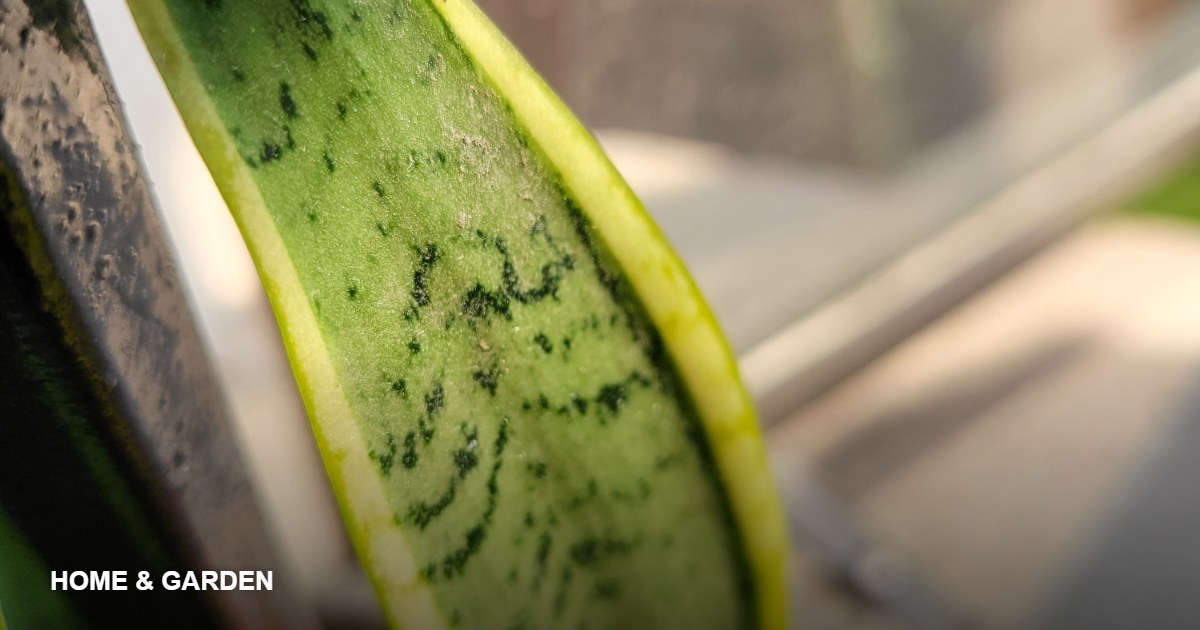
- Snake plant (Dracaena trifasciata): forgives missed waterings and modest light. Cold, prolonged darkness, and wet soil can still kill it.
- ZZ plant: stores water in thick rhizomes. Let the mix dry well before watering again.
- Pothos: grows quickly in bright indirect light and survives dimmer rooms, but variegation fades as light falls.
- Cast iron plant: slow and tolerant of shade; protect it from harsh direct sun.
- Spider plant: adaptable and easy to propagate. Brown tips can come from dry air, salts, or inconsistent watering—not one universal cause.
- Chinese evergreen: handles medium light; colorful varieties usually need more light than solid green ones.
- Jade plant: wants strong light and a potting mix that dries between soakings.
- Peace lily: droops when dry, but wilting can also signal root trouble or heat. Check the soil before adding water.
- Heartleaf philodendron: forgiving in bright indirect light and tolerant of an occasional missed watering.
- Aloe vera: prefers bright light and infrequent deep watering. Do not treat the plant as a substitute for medical burn care.
- Rubber plant: tolerates some inconsistency once established but dislikes abrupt changes in light and temperature.
- Dracaena: slow-growing and comfortable in medium light; avoid keeping the roots continuously wet.
- Haworthia: a compact succulent that handles less direct sun than many desert succulents.
- Ponytail palm: stores water in its swollen base; give it bright light and let the mix dry.
- Peperomia: compact, slow-growing, and a useful choice where a large floor plant would be absurd.
Check pets and children before buying
Several plants commonly described as “easy”—including pothos, philodendron, peace lily, ZZ plant, aloe, and snake plant—can cause problems if chewed. This article is not a toxicity database. Check the exact botanical name with a veterinary or poison-control source before bringing it into a home with curious pets or small children.
Water the soil you have, not the day of the week
Do not water every Sunday simply because it is Sunday. Push a finger or wooden skewer into the mix and check several centimetres down. Lift the pot and learn how it feels wet and dry. Then water thoroughly until excess runs from the drainage holes and empty the saucer.
Yellow leaves and wilting do not automatically mean “add water.” Both dry roots and damaged, waterlogged roots can produce similar symptoms. Check moisture first. If the soil is wet and smells sour, more water is the last thing the plant needs.
Use the right pot
A drainage hole is more valuable than a fashionable container. Keep a nursery pot inside a decorative cachepot if necessary, but empty the outer pot after watering. Repot when roots densely circle the root ball, water rushes straight through, or the plant dries much faster than before—not because an arbitrary year has passed.
A two-minute monthly check
- Look under leaves for webbing, scale, or sticky residue.
- Turn the pot a quarter turn for more even growth.
- Remove dead material from the soil surface.
- Check whether roots are blocking drainage.
- Wipe dusty leaves so the plant can use the light it receives.
The easiest plant is not the one with the toughest reputation. It is the one whose needs already resemble the room you have. If you want something edible and can offer stronger light, continue with our guide to growing herbs indoors. For outdoor containers, read the safety notes in our balcony gardening guide first.
Verify the exact plant before it comes home
Common names are unreliable: different plants can share a name, and closely related species may not have the same risk. Use the botanical name on the label when checking a database. The ASPCA lists aloe, pothos, jade plant, philodendron, and several dracaenas among plants that can be toxic to dogs; its cat and dog databases should be checked separately. If an animal has chewed a plant or becomes unwell, contact a veterinarian or animal poison-control service rather than waiting for an online symptom list to identify the problem.
Pet-safety references
Claire Whitmore is the Home & Garden Editor at The Adlroom Journal. She focuses on making small or rented spaces work better, without a renovation budget.